
Weeds
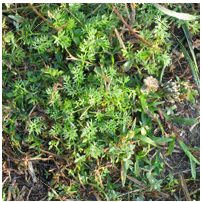
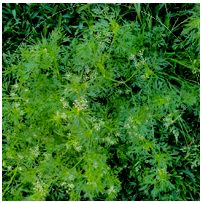
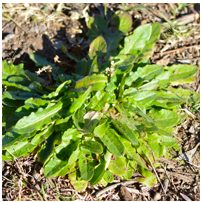
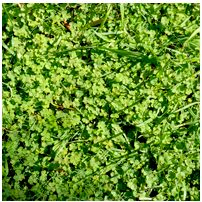
To deal with a weed in your lawn, work out which of three categories it falls into before you treat it. Broadleaf weeds...bindii, clover, catsear...have wide flat leaves that look nothing like grass, and they're the easiest group to treat selectively. Grassy weeds like winter grass and summer grass can look like your lawn until they seed, and they're the trickiest to get rid of, because what kills them can hurt the lawn around them. Sedges such as nutgrass have triangular stems and glossy leaves, grow faster than the lawn after rain, and multiply if you pull them out by hand because the tubers stay in the soil. Timing matters as much as the product: bindii is best treated in Winter, months before you can feel the prickles underfoot. Winter grass is best prevented in February / March before it germinates and becomes an issue in July / August. And every weed found a gap first...thin lawn, bare soil or compaction...so closing the gaps and using a preventative measure is what stops the next lot.
Start with the category. Broadleaf, grassy or sedge...get that right and you're most of the way to the correct treatment. Get it wrong and you either waste a spray or damage the lawn.
Written and reviewed by Steve ...Co-founder, The Lawn Guys Sydney.
Last updated . Reviewed quarterly...next review November 2026.
What is a broadleaf weed?
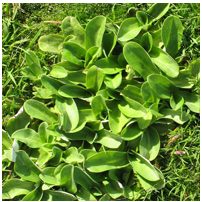
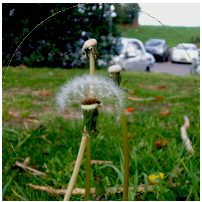
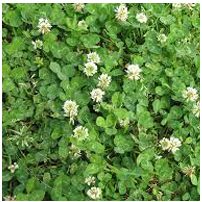
Wide, flat leaves that look nothing like grass...bindii, clover, catsear. Easiest group to treat selectively.
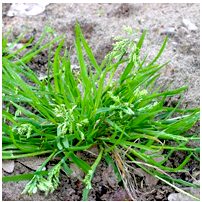
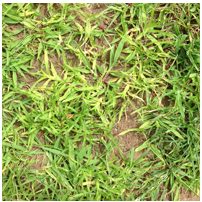
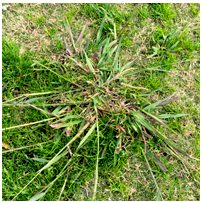
Grassy weeds - why are they more complicated to treat?
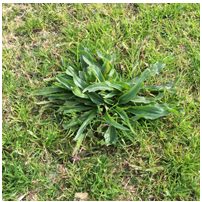
Winter grass, summer grass, onion weed. You have to be careful! Certain products that kill off these weeds can also kill off your grass. Lawn type matters here more than anywhere.
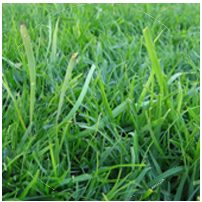
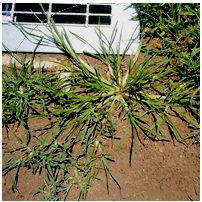
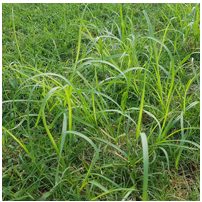
How do you tell a sedge like nutgrass from grass?
Nutgrass and mullumbimby couch.Triangular stems, glossy leaves, and they grow faster than the lawn after rain.
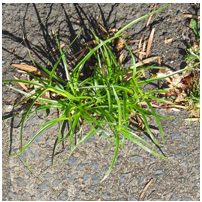
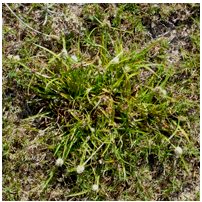
How do you stop weeds coming back?
Every weed in your lawn found a gap. Feeding, aeration and correct mowing height close gaps, while pre-emergent herbicide helps prevent new weeds coming in.
FAQ
Questions people actually ask
How do I identify a weed in my lawn?
Start with the category rather than the species. Broadleaf weeds have wide flat leaves that look nothing like grass. Grassy weeds look like your lawn until they seed. Sedges have triangular stems and glossy leaves. Get the category right and you're most of the way to the correct treatment.
What's the difference between treating a broadleaf weed and a grassy weed?
Broadleaf weeds...bindii, clover, catsear...are the easiest group to treat selectively because they're so different from lawn. Grassy weeds like winter grass and summer grass are the trickiest, because products that kill them can also hurt the lawn around them.
Why does my lawn keep getting weeds?
Every weed found a gap. Thin lawn, bare soil and compaction are the invitation. Feeding, aeration and correct mowing height close the gaps, while pre-emergent herbicide helps prevent new weeds coming in, which is why weed control belongs inside a program instead of being a one-off spray.
Should I pull weeds out by hand?
It depends what it is. Pulling a sedge like nutgrass multiplies it, because the tubers stay in the soil and shoot again. Identify it before you touch it.
When should I treat bindii?
Optimally, in Winter...months before the prickles show up. Once you can feel it underfoot, it has seeded. However, in saying that, whenever you have weeds is when you should be treating them.
Which weedkiller should I use on my lawn?
Three steps. First, work out what type of weed you're dealing with...broadleaf, grassy or sedge. The category decides the treatment, and it's the step people rush; bindii and winter grass don't take the same approach. Second, choose a selective herbicide that targets that type of weed...selective meaning it kills the weed and leaves the lawn around it alone. Third, and this is the one some people miss: check the label to make sure that herbicide is safe for your type of lawn. Not every selective product is safe on every grass...buffalo included. Get all three right and the weed goes and the lawn stays.
Get a free lawn diagnosis
The Guys come out, work out why your lawn is doing what it's doing, and tell you straight. You get the findings whether you book in or not. No lock-in either way.